

Oily wastewater collection from storage tanks to mop water
UES collects non-hazardous oily wastewater from shops, industrial facilities and other businesses for processing and recycling. That includes water-contaminated tanks, drain traps, process water, mop water and other petroleum-contaminated water.
We reply the same business day. No account required to ask.
What counts as oily wastewater
Oily wastewater is water contaminated with petroleum, as long as the waste stream remains non-hazardous. It can come from tanks, drains, industrial processes and everyday shop cleaning.
- Water-contaminated storage tanks. If water gets into a fuel or oil tank, we can collect the resulting petroleum-contaminated water.
- Industrial wastewater. Process water containing oil or petroleum from manufacturing and industrial operations.
- Drain trap liquids. Liquids collected in shop drains and traps that need to be pumped out and hauled away.
- Mop and wash water. Water from mopping oily shop floors and washing work areas carries oil, so it should be collected.
- Collected for processing. Recoverable petroleum is separated from the wastewater, and the remaining material is managed through the appropriate recycling or disposal process.

Routine pickups and vacuum service for larger jobs
The equipment depends on the volume, how the material is stored and what needs to be cleaned out.
Routine collection
Recurring oily wastewater can be added to a collection route, similar to used oil service. We schedule pickups around how quickly your container fills and the routes serving your area.
Larger jobs
For tanks, pits, separators and other jobs that require more capacity, our vacuum services team can handle the removal with larger vacuum equipment.
Totes and drums available
UES can provide totes and drums for oily wastewater so it stays separate from used oil, antifreeze and other waste streams.
Why separation matters. Used oil, oily wastewater and antifreeze are handled as separate streams. Mixing other chemicals into them can change how the material must be classified, transported or processed.
See what to keep out of oily wastewaterWhat to keep out of oily wastewater
Solvents, chlorinated cleaners and other chemicals can change how an oily wastewater stream has to be handled.
If these materials enter a drain, tank or container of oily wastewater, the resulting mixture may no longer qualify for routine non-hazardous collection. Depending on what was added and at what concentration, different testing, transportation or disposal requirements may apply.
The simplest approach is to keep solvents and chemical cleaners out of the tanks, drains and containers used for oily wastewater.
If a stream has already been contaminated, tell us what went into it. Our Hazardous & Special Waste Division can review the material and determine the appropriate next step.

How oily wastewater collection works
Tell us what kind of water you have, roughly how much and where it is stored. We'll determine the right equipment and collection method.
Tell us about the wastewater
Send us your location, where the water came from, roughly how much you have and what it is stored in.
We determine the collection method
We'll confirm whether the job fits routine route service, a one-time pickup or larger vacuum equipment.
A UES driver collects it
The material is pumped or loaded, transported and sent to the appropriate facility for processing.
Your service is recorded
The pickup is documented and added to your service history in the Customer Portal.
Where we offer oily wastewater collection
UES offers oily wastewater collection to businesses in 28 states. Select your state to see local coverage and the facilities that serve your area.
City pages: Baltimore Washington, DC Wilmington Philadelphia Trenton Newark and Old Bridge Casa Grande Phoenix.
Common questions
What kinds of oily wastewater do you collect?
UES collects non-hazardous petroleum-contaminated water from storage tanks, industrial processes, drain traps, shop floors and similar sources.
Is oily wastewater hazardous waste?
Not necessarily. The service on this page is for non-hazardous oily wastewater. Other chemicals mixed into the water can change its classification or handling requirements, so tell us if solvents, cleaners or other materials may be present.
What happens to the wastewater after collection?
The material is sent for processing, where recoverable petroleum can be separated and the remaining wastewater is handled through the appropriate recycling or disposal process.
Do you provide containers?
Yes. Totes and drums are available for businesses that need dedicated storage for oily wastewater.
Can oily wastewater be collected with my used oil service?
Often, yes. The materials stay separate, but both services may be scheduled during the same visit depending on your route and location.
More on used oil

Used oil rules for businesses, explained
The federal and state rules for storing, labeling and handing off used oil, plus what to look for in a collector.
Read the guides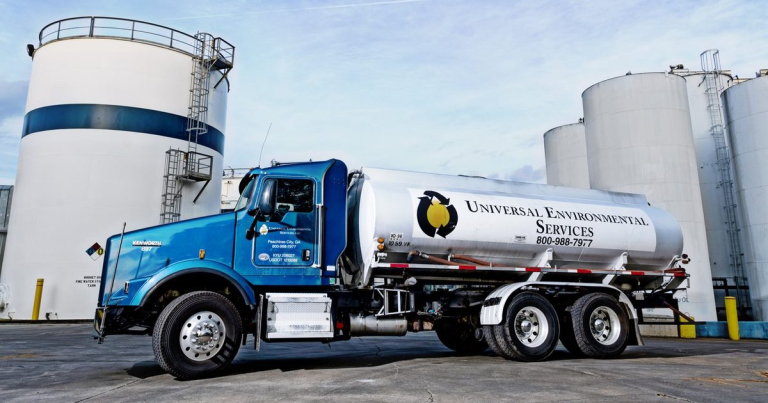
Where to dispose of used motor oil when you run a shop, fleet or dealership
How to store used oil, who can transport it and what happens during a UES pickup.
Read the guide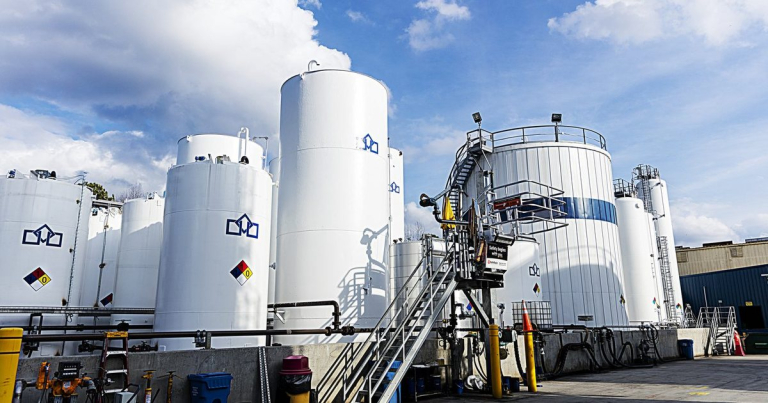
How the EPA classifies used oil, and when hazardous waste rules apply
When used oil stays under the Part 279 rules and when hazardous waste requirements can apply.
Read the guideTell us about your oily wastewater
Tell us where it came from, roughly how much you have and how it is stored. We'll determine what type of collection you need and explain the next step.
- No account or contract required to ask
- A person replies the same business day
- Already a customer? Use the Customer Portal instead
Protected by Cloudflare Turnstile. We use your details to answer your request. We don't sell them.