

Home/Resources
Guides and answers from UESUsed oil guides and resources for businesses
Plain-language guides on used oil rules, storage, pickup and recycling for shops, fleets and plants.

Every used oil guide from UES
Each guide answers one question shops, fleets and plants ask about used oil, and names the rule the answer comes from.
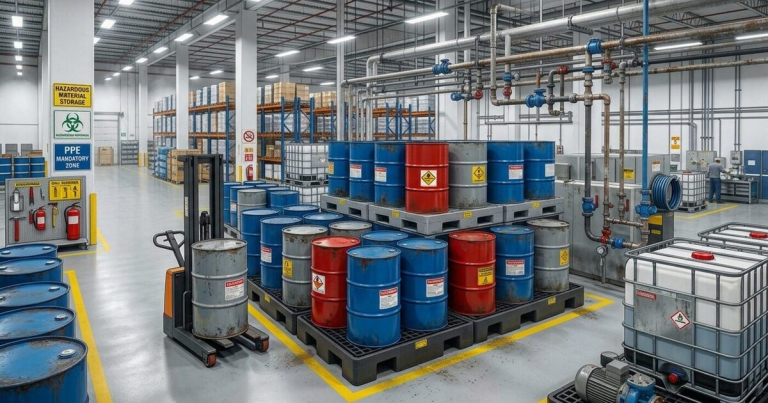
Hazardous waste generator status: VSQG, SQG and LQG rules for manufacturers
How to find your generator category, which wastes count, storage time limits and the paperwork each category needs.
Read the guide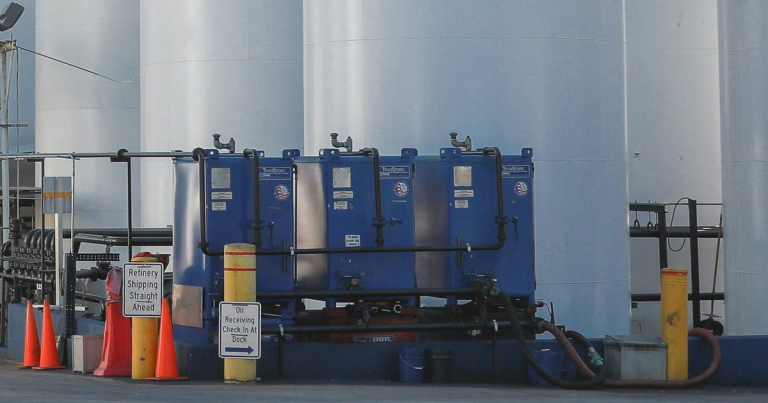
Spent antifreeze disposal: when it is hazardous, how to store it and how it is recycled
When spent antifreeze is hazardous waste, how to store it, why it stays out of drains and how it is recycled.
Read the guide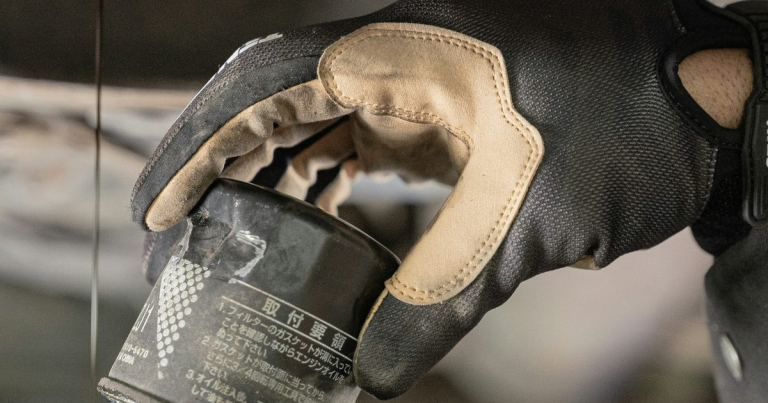
Used oil filter disposal: draining, crushing and where the filters go
Hot-draining, crushing and storing used oil filters, the federal exclusion, state rules and where filters go after pickup.
Read the guide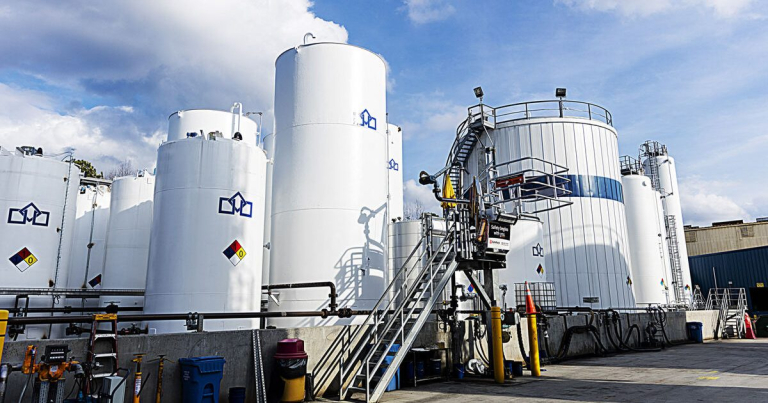
Used oil storage for businesses: tanks, containment, spill kits and SPCC plans
Setting up a used oil storage area, secondary containment, spill kits and when the SPCC rule applies.
Read the guide
Used oil recycling: what happens to your used oil after pickup
Where your used oil goes after pickup and how it becomes base oil for new lubricants.
Read the guide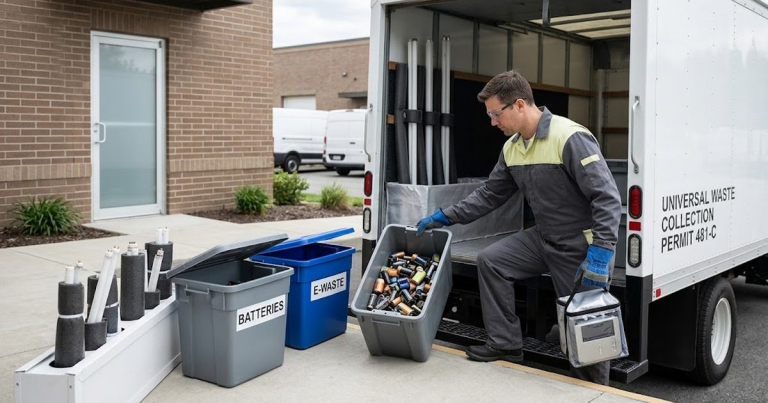
Universal waste explained: batteries, lamps, aerosol cans and the rules for businesses
The five federal types, the 5,000 kg line, labels, the one-year limit and where universal waste can go.
Read the guide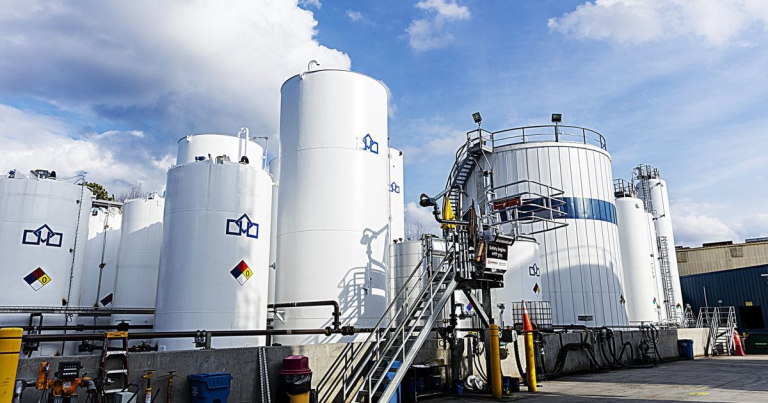
How the EPA classifies used oil, and when hazardous waste rules apply
When used oil stays under the Part 279 rules and when hazardous waste requirements can apply.
Read the guide
Where to dispose of used motor oil when you run a shop, fleet or dealership
How to store used oil, who can transport it and what happens during a UES pickup.
Read the guide
The used oil rules, point by point
The federal and state rules for storing, labeling and handing off used oil, one topic per page, with the regulation cited.
What a used oil generator has to do
The federal requirements for storing, labeling and handling used oil, plus what to do when there is a spill.
Read the rulesWhat your used oil collector must have
EPA identification numbers, pickup records and the requirements that apply after your oil leaves your property.
Read the rulesState used oil rules
See how Georgia, Alabama, Tennessee and Arizona add to the federal requirements, and where to find the New Jersey rules.
See the statesUES permits and registrations
EPA identification numbers, state registrations and other credentials behind UES collection services.
See our permitsTwo downloads to keep by the used oil tank
Both are one page, free, and come from the guides above.

Used oil storage checklist
One page to keep by the tank: storage, labels, spills, pickups, plus a monthly check log.
Download the checklist
What goes in the used oil tank: shop sign
A one-page sign for the wall by your tank. Goes in, keep out, and why it matters.
Download the signCommon questions about used oil, answered
Does my business need an EPA identification number to generate used oil?
Not under the federal rules. You do not need an EPA identification number simply because your business generates used oil, but the transporter taking it off site generally does. Some states are stricter. California, for example, requires each business that generates used oil to have a California or EPA ID number.
More in: Where to dispose of used motor oil when you run a shop, fleet or dealershipIs used motor oil a hazardous waste?
Not automatically. Used oil that will be recycled is generally managed under the used oil standards in 40 CFR Part 279. Whether your state handles it the same way is a question for its environmental agency.
More in: How the EPA classifies used oil, and when hazardous waste rules applyCan solvents or degreasers go in the used oil tank?
No. Keep solvents, degreasers and other chemicals out of the used oil tank. Mixing them in can make the whole tank hazardous waste.
More in: How the EPA classifies used oil, and when hazardous waste rules applyCan my shop haul its own used oil?
Yes, within limits. Under federal rules, you can haul used oil generated at your own site, no more than 55 gallons at a time, in a vehicle owned by your business or an employee. It must go to a used oil collection center that is registered, licensed, permitted or recognized by a state, county or local government, or to an aggregation point your business owns or operates (40 CFR 279.24(a) and (b)). Your state or city may also require a permit.
More in: Where to dispose of used motor oil when you run a shop, fleet or dealershipCan UES take used oil filters and antifreeze on the same visit?
Often, yes. Used oil filters, spent antifreeze and spent absorbents can often be collected during the same visit.
More in: Where to dispose of used motor oil when you run a shop, fleet or dealershipUsed oil pickup in your state
UES collects used oil from businesses in 28 states. Choose yours to see the facility serving you and how to request a pickup.
Tell us what you need picked up
Tell us where you are and what you need collected. If you're not sure which service applies, that's fine. We'll review your request and tell you what comes next.
- No account or contract needed to ask
- We reply the same business day
- Already a customer? Use the Customer Portal
Protected by Cloudflare Turnstile. We use your information to respond to your request and do not sell it.