

Antifreeze and coolant recycling for businesses
UES picks up spent antifreeze and engine coolant from shops, dealerships, fleets and industrial facilities and sends it for recycling. We keep it separate from used oil and other waste streams so it can be processed into recycled antifreeze.
Need containers, a pickup or recurring service? We reply the same business day. No account required to ask.
Why used antifreeze needs proper handling
Used antifreeze contains glycol and can pick up metals, oils and other contaminants while circulating through an engine or cooling system.
That makes proper storage important. Spent coolant should be kept in a dedicated container, protected from spills and kept separate from used oil, solvents and other waste streams.
Keeping it separate also preserves its value for recycling. When the stream is suitable, the glycol and other usable components can be recovered and processed into recycled antifreeze.
What happens to your used antifreeze
UES collects spent antifreeze as its own waste stream and transports it for processing.
At the recycling facility, contaminants are removed and usable components of the coolant can be recovered. The material can then be processed into recycled antifreeze and returned to use.
Keeping antifreeze separate from used oil, oily wastewater and other materials makes that recycling process possible and helps avoid contamination.

Antifreeze stays separate from your other waste streams. UES can provide totes or drums so used coolant has its own dedicated container.
Ask about containersHow spent antifreeze collection works
Tell us roughly how much coolant you generate and how you store it now. We'll help set up the container and collection schedule that fit your site.
Tell us about your antifreeze
Send us your location, roughly how much spent coolant you generate and how it is currently stored.
We set up your service
We'll determine the right container and pickup schedule for your volume. Totes and drums are available when needed.
A UES driver collects it
The spent antifreeze is picked up as a separate stream and transported for appropriate processing and recycling.
Your service is recorded
Each pickup is documented and added to your service history in the Customer Portal.
Where we offer antifreeze and coolant recycling
UES offers antifreeze and coolant recycling to businesses in 28 states. Select your state to see local coverage and the facilities that serve your area.
City pages: Baltimore Washington, DC Wilmington Philadelphia Trenton Newark and Old Bridge Casa Grande Phoenix Atlanta and Peachtree City Ocala Greensboro Cincinnati and Florence Birmingham and Trussville Jacksonville Houston Nashville and Murfreesboro Fort Lauderdale Orlando and Sanford Indianapolis San Antonio and Seguin Dallas-Fort Worth Edison and New Brunswick Chandler, Gilbert and Mesa Kansas City Memphis Mobile Gadsden Montgomery Sylacauga Fort Myers Bainbridge Gainesville Macon and Warner Robins St. Louis Metro East Evansville Northwest Indiana Paducah Lafayette Baton Rouge Shreveport Jackson Raleigh and Eastern North Carolina Cleveland Oklahoma City Tulsa Greenville and Spartanburg Charleston Chattanooga Knoxville Morristown and the Tri-Cities Lubbock Corpus Christi Austin Tyler Waco Richmond Charleston, West Virginia.
Common questions
How do I get rid of used coolant from my shop?
Keep it in its own container, away from used oil and solvents, and have it picked up by a collector. UES can provide totes or drums and add antifreeze pickup to your existing service. Our guide to spent antifreeze disposal covers the rules in more detail.
Is antifreeze recycling available in my area?
Antifreeze collection runs from UES facilities across our service area and can often be added to a used oil pickup. Send us your address and we'll confirm service.
Is used antifreeze hazardous waste?
Not necessarily. How spent antifreeze is classified depends on the product, what it has been contaminated with and applicable regulations. Used coolant can contain glycol, metals and other contaminants, so it should be stored and handled carefully.
This is general information, not legal advice. Check your state's rules, which can be stricter than federal rules.
What happens to used antifreeze after collection?
It is kept separate and sent for processing, where contaminants can be removed and usable components recovered for recycled antifreeze.
Do you provide containers?
Yes. UES can provide totes or drums dedicated to spent antifreeze so it stays separate from used oil, oily wastewater and other materials.
Can antifreeze collection be added to my used oil service?
Often, yes. If UES already collects used oil from your location, spent antifreeze collection may be added to the same service visit while the materials remain completely separate.
What should I keep out of the antifreeze container?
Keep used oil, solvents, cleaners and other waste streams out of your spent antifreeze. If something else has already been mixed into it, tell us so we can determine the appropriate handling method.
More guides on spent antifreeze
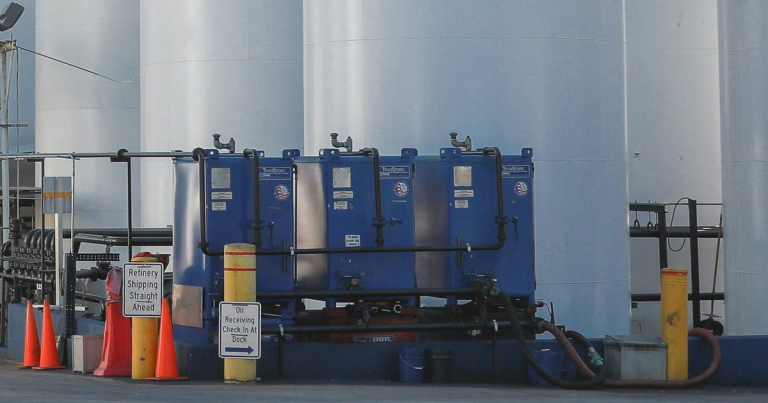
Spent antifreeze disposal: when it is hazardous, how to store it and how it is recycled
When spent antifreeze is hazardous waste, how to store it, why it stays out of drains and how it is recycled.
Read the guide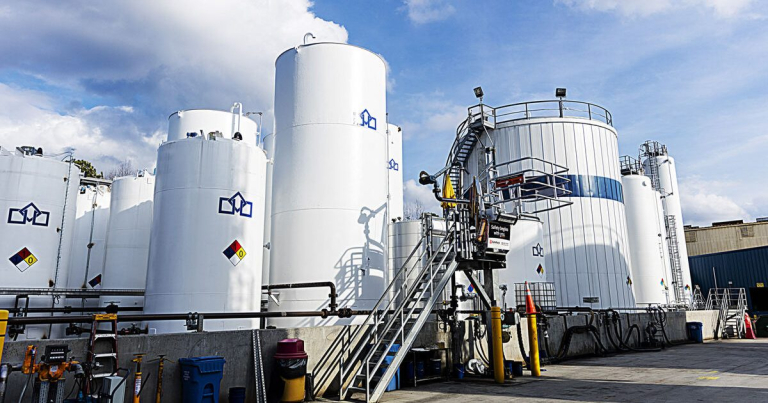
Used oil storage for businesses: tanks, containment, spill kits and SPCC plans
Setting up a used oil storage area, secondary containment, spill kits and when the SPCC rule applies.
Read the guide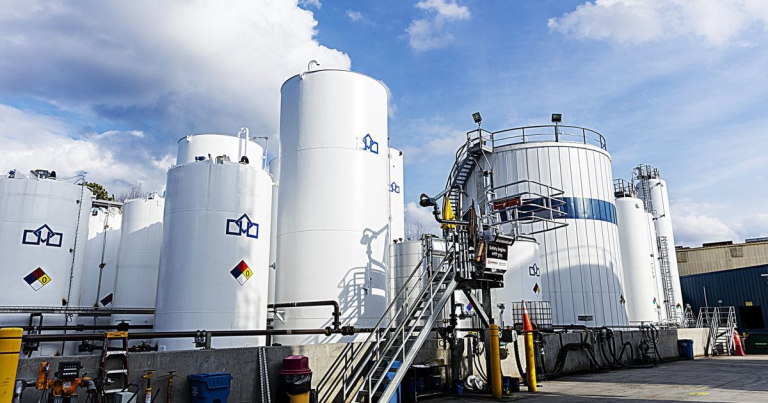
How the EPA classifies used oil, and when hazardous waste rules apply
When used oil stays under the Part 279 rules and when hazardous waste requirements can apply.
Read the guideTell us about your spent antifreeze
Tell us roughly how much coolant you generate, how it is stored and where your business is located. We'll recommend the collection setup and tell you what happens next.
- No account or contract required to ask
- A person replies the same business day
- Already a customer? Use the Customer Portal instead
Protected by Cloudflare Turnstile. We use your details to answer your request. We don't sell them.